
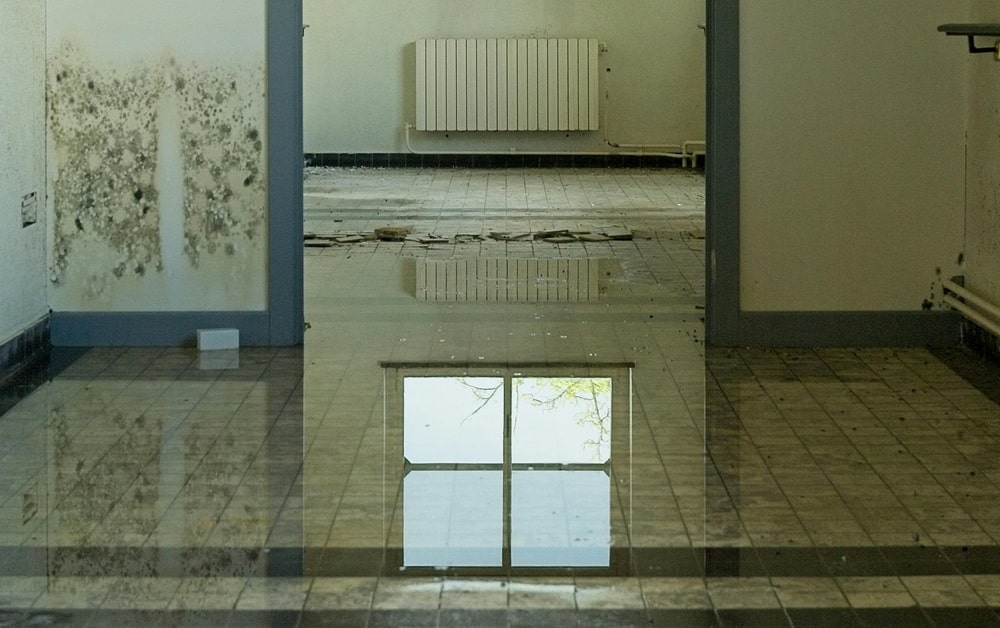
Discovering a slab leak in your home can feel like a nightmare, especially given today’s steep home repair costs. Suddenly you’re dealing with unexplained puddles, damp carpets, higher water bills, or even moldy odors around the house. On top of potential foundation damage, you might also worry if your homeowners insurance coverage will help pay for slab leak repairs.
In this article, you’ll learn what is a slab leak, how to quickly spot a leak, when homeowners insurance will cover repairs (and when it doesn’t), and how to file a slab leak insurance claim.
Key takeaways:
- Most slab leaks are covered by homeowners insurance when they are caused by sudden accidents (“covered perils”).
- You can also claim reimbursement for personal belongings damaged by a covered slab leak event.
- Slab leaks are not covered by insurance when foundation damage is caused by wear and tear, lack of maintenance, or other exclusions.
- Review your policy’s reporting requirements and deductible amount when assessing whether to file a claim.
- If you’re unsure or overwhelmed by your claim, working with a public adjuster can simplify the process and maximize your settlement.
What Is a Slab Leak?
A slab leak occurs when a water pipe beneath your home’s concrete foundation cracks or bursts. This allows water to seep into the ground and up into your home. Slab leaks are often hidden out of sight and can be tricky to detect until they’ve caused significant damage. An untreated slab leak can lead to issues like mold growth or even foundation cracks if the soil under your home erodes.
Common Causes of Slab Leaks
In California, slab leaks are especially common because roughly 96% of homes sit on concrete slab foundations. The state’s frequent seismic activity can shift the ground and place extra stress on underground pipes. Many older homes also still use copper pipes that corrode over time, making slab leaks an even bigger risk.
Other common causes of slab leaks include:
- Aging pipes and corrosion: Copper pipes last about 50-70 years, but California’s mineral-rich water can accelerate internal corrosion. Homes built before 1970 are particularly vulnerable as original plumbing approaches or exceeds its expected lifespan.
- Soil shifts and ground movement: California’s expansive clay soils absorb water during rainy seasons and contract during droughts, creating pressure on underground pipes.
- Poor construction or installation: Improper pipe installation, inadequate bedding materials under slabs, or substandard materials during original construction can lead to premature failures. The California State License Board requires proper licensing for plumbing work, but older homes may predate current standards.
How to Tell If You Have a Slab Leak?
If you notice one or more of these signs of a slab leak, you should call a licensed plumber or water mitigation specialist who can confirm whether there’s a leak under your foundation.
- Unusually high water bills: One of the first red flags is a sudden spike in your water bill without a change in usage. If water is leaking 24/7 under the slab, it drives up your usage. Even a small leak can waste thousands of gallons (10,000+ gallons a year in some cases), so an unexplained increase in your bill is worth investigating.
- Lower water pressure: If a pipe is leaking, less water reaches your fixtures. You might notice weaker flow in showers or faucets. This could be a clue that water is escaping somewhere before it gets to the tap.
- Warm spots on the floor: You’ll notice some areas of the tile or hardwood floor that are mysteriously warm to the touch. It’s a classic sign of a slab leak from a burst hot water pipe.
- Damp or wet flooring: Slab leaks will eventually saturate through the slab. You’ll find wet spots on carpet, warped wooden floors, or tiles coming loose due to moisture. Puddles may appear along baseboards or on the floor.
- Mold or mildew odors: A musty smell (or the appearance of mold) under carpets or along walls can mean water is pooling out of sight. The moisture from a slab leak can foster mold growth in flooring or drywall, creating health hazards and further damage.
- Sound of running water: If you hear hissing or running water noise when all water is turned off, that’s a strong sign of a slab leak.
- Cracks in walls or floor: A slab leak can cause the soil to shift or the foundation concrete to crack over time. You might see new cracks in your slab floor or even in the walls (due to foundation movement). However, not all foundation cracks are from slab leaks – they are just one possible cause.
Plumbing Leaks Under Slabs Can Cost You Thousands on Your Home
Water pipes may be built right into the slabs. When one of those pipes bursts, that water has nowhere to go but into the soil beneath your home, potentially taking decades to naturally dissipate. Even after the initial leak gets fixed, leftover moisture trapped under the slab can continue causing serious damage.
Here’s how this scenario can get expensive:
- Hidden damage: Your insurance might cover the initial damage to flooring or walls, but they may not investigate moisture trapped beneath the slab. Months later, especially in hot summers, that trapped water can vaporize, rise through the concrete, and ruin your newly repaired floors.
- Steep repair costs: Fixing slab leaks can involve breaking through your flooring and concrete slab to access pipes. According to Angi, a home improvement service company, repairs average around $2,300, but complex leaks can easily exceed $6,700. The average claim for water damage costs nearly $14,000.
- Mold and structural issues: Trapped moisture under your slab promotes mold growth. Persistent dampness can erode the soil beneath your foundation, leading to structural damage that may cost you thousands to repair.
- High utility bills: Hidden leaks, even a minor slab leak, can cause an average household to waste about 10,000 gallons of water per year.
Want a quick visual breakdown? In this video, our expert explains what happens when you have a slab leak.
Take Immediate Action If You Suspect a Leak
Acting quickly not only reduces damage, but it also fulfills your duty as a homeowner to make reasonable repairs to protect your property (something your insurance policy requires).
- Turn off the source of water: Locate your main water valve and turn it off to prevent more water from flooding under your slab. Your policy requires you to perform such reasonable repairs to protect the property, so don’t delay this step.
- Soak up standing water: Use towels or mops to remove any puddles. Don’t let water sit if you can safely clean it up.
- Call a plumber or water mitigation contractor: Have a licensed professional identify the source of the leak and start repairs.
- Document the damage: Take photos or videos of any wet areas, damaged flooring, or personal belongings. This documentation will be important for your insurance claim.


APA Recommends…
Ensure trapped moisture beneath your home is properly addressed to avoid bigger problems down the road. Check out our guide on what to do in a water leak emergency to quickly contain the loss or file an insurance claim.
Preventing Future Slab Leaks
Preventing slab leaks costs significantly less than repairing them and protects your home’s value.
Routine Plumbing Inspections
Schedule professional inspections every 2-3 years, particularly if:
- Your home is over 20 years old
- You have copper pipes
- You’ve experienced water pressure issues
- You live in an area with reactive soil
A plumber will:
- Check water pressure levels
- Inspect visible pipes for corrosion
- Test for hidden leaks
- Identify potential problems before they become emergencies
Bonus benefit: This documentation proves responsible property maintenance to your insurance company, which strengthens any future claims.
Monitoring Water Pressure and Soil Conditions
Watch for these warning signs between inspections:
Water pressure indicators:
- Pressure above 80 psi (install a gauge to check)
- Fluctuating pressure when using multiple fixtures
- Unusual sounds in pipes
Soil and landscape signs:
- Wet spots or puddles in your yard with no clear source
- Sunken or shifted areas near your foundation
- Cracks in exterior walkways or driveways
- Unexplained increases in your water bill
If you notice these issues, call a plumber immediately rather than waiting for your next scheduled inspection.
When to Consider Preventive Repairs
Proactive pipe replacement makes financial sense when:
- Your home has original copper pipes over 50 years old: These are approaching the end of their typical lifespan
- You’ve had multiple small leaks in recent years: Repeated failures signal system-wide deterioration
- Your water has high mineral content: This accelerates internal pipe corrosion
- You’re planning major renovations: Re-piping during other work saves on labor costs
While re-piping costs several thousand dollars upfront, it’s more affordable than dealing with repeated slab leaks, water damage repairs, insurance claims, and potential premium increases.
Is A Slab Leak Covered By Homeowner Insurance?
Homeowners insurance coverage will pay for slab leak repairs, but coverage depends entirely on why the leak happened and what’s written in your policy. Standard homeowners insurance policies, including the HO-3 policy, will cover sudden and accidental water damage from plumbing leaks. This means if a pipe suddenly bursts under your slab and damages your home, you’re likely covered for:
- Water damage to your floors, walls, and personal property caused by the leak.
- Tearing out and replacing the section of slab or foundation necessary to access the broken pipe.
- Repairing the home’s structure (like new concrete, flooring, drywall) after the leak is fixed.
But here’s the catch: If your policy covers slab leaks, sub-limits may apply. These caps restrict the amount the insurance company will pay for specific repairs, such as foundation or slab-related damage. Many policies will not pay for repairing or replacing the broken pipe since it’s considered a home maintenance responsibility. So, even if your insurance covers most repairs, the cost of fixing the pipe itself will be out-of-pocket.
APA Recommends…
Some insurers offer extra coverage options (endorsements or riders) for plumbing-related issues, but these aren’t standard. If you’re unsure about your policy terms, our blog on policy language (aka insurance-speak) is a great starting point to help you review your policy, or talk with your insurance agent about what’s covered.
Additional Scenarios Where You’re Likely Covered for Slab Leak Insurance Claim
- Plumbing leaks under slab from a covered event: If an explosion in the home causes a pipe break, the resulting slab leak damage would be covered by your policy. A water heater rupture or boiler explosion might be covered if it’s sudden and leads to a slab leak.
- Accidental damage: If a contractor accidentally hits a water line while doing work on your property, the sudden accident makes it an insurable event (though the contractor’s own insurance might also cover the slab leak repairs in this case).
- Malicious damage: If someone intentionally damaged your plumbing causing a slab leak (for instance, breaking a pipe on purpose), that would typically be covered as vandalism damage under your policy.
- Frozen pipes: In colder regions of the U.S., if a pipe under the slab freezes and bursts (and you had the heat on as required), the damage may be covered.
When Homeowners Insurance Won’t Cover Slab Leaks
If the cause of the slab leak is gradual deterioration or something you could have prevented, your claim may be denied. Here are a few scenarios where slab leaks are not covered by insurance:
- Gradual leaks (wear and tear): If the pipe leaked due to long-term corrosion, rust, or a small leak that existed for months, the insurer will likely call this a maintenance issue. Most homeowners insurance coverage does not include slab leaks caused by aging or poor upkeep.
- Settling or earth movement: Homes in California can experience natural settling or even earthquakes. If a slab crack and leak happened due to earth movement, it’s usually excluded. Standard policies won’t cover earthquake damage or ground settling cracks – those require separate earthquake insurance.
- Flooding or external water: Water seeping in from outside the plumbing system is excluded since a slab leak is about plumbing lines. If the water under your slab came from outside flooding (rainwater, rising groundwater), your slab leak repair won’t be covered by homeowners insurance (you’d need flood insurance).
- Tree root intrusion: If tree roots grew into your underground pipes and caused a leak, this is often not covered because it’s considered gradual damage by natural causes. Most policies list damage from roots (and even pests or vermin) as exclusions.
- Construction defects: If the leak can be traced to poor construction or installation (the builder used poor-quality pipes or the plumbing was improperly installed), the insurer might deny your claim. They expect the builder’s warranty or the homeowner to handle construction-related defects, not the insurance.
- Negligence: If a leak was known but you failed to address it and it worsened over time, your insurance could deny coverage due to negligence. Not taking prompt action to stop damage (like letting water pour for days) could jeopardize your claim.
The maintenance of your property is your responsibility. When you file a claim, it’s reasonable for an insurance company to make a request for your property inspection report. Some will send an adjuster (or even an engineer) to determine the cause of the slab leak.
If they conclude the leak was “ongoing” or due to lack of maintenance, they will cite your policy’s water seepage exclusion or wear-and-tear clause to deny coverage. An up-to-date maintenance record will show your insurance company you did everything in your power to keep your property maintained and in good condition.
When to File a Homeowners Insurance Claim for Slab Leaks
Filing a slab leak insurance claim may not be worth it if it jeopardizes your coverage. You’ll want to make sure the slab leak repair cost is well above your policy deductible before you consider filing to protect your long-term insurability. For example, if you have a $1,500 deductible and the repair estimate is $1,400, you’ll pay the full repair cost out-of-pocket after your deductible applies. However, check your policy’s reporting requirements-many policies require you to notify your insurer of damage regardless of whether you’ll receive a payout.
Consider if a larger slab leak insurance claim is worth filing once you calculate the potential premium increase – a single claim can raise your annual premium by as much as 20% on average, which can add up over the years. It’s best to use your home insurance for large losses that would be hard to cover on your own, and think twice about claiming smaller slab leak fixes that you can manage yourself. Insurance companies also track your claims history (looking back five years or more) and may become wary if they see frequent claims. In fact, some insurers will even reconsider renewing a policy if you’ve had two or more claims within five years – something many California and Florida homeowners are now aware of before filing small claims amid rising costs and tighter underwriting.
If you’re on the fence about whether to file a slab leak claim, reach out to a licensed claims professional, like Allied Public Adjusters, to help assess the damage, explain what your policy covers, and determine if filing a claim makes financial sense.
How to File a Slab Leak Insurance Claim
Filing a slab leak insurance claim involves steps that increase your chances of approval.
Step 1: Immediate actions
Act immediately to fulfill your policy’s requirement to protect your property. Turn off your main water valve, and move furniture and belongings from wet areas where possible. You can contact a water mitigation company if needed. However, you’ll also need to do the steps below to increase your chances of a successful claim:
- Document everything: Keep all evidence that it was sudden (such as a plumber’s report describing a pipe burst). Take clear photos of all damage – wet flooring, water stains, damaged personal items, cracks in walls, etc. Save receipts for any emergency repairs or cleanup services. When possible, communicate via email so you have records of what the insurance company said. If they provide any partial denials or cite exclusions, request those details in writing.
- Check your policy coverage and local regulations: It helps to read your insurance policy’s section on water damage or plumbing leaks. Look for language about “sudden and accidental” water discharge and exclusions for seepage. Some areas in the US may have higher rates of slab leaks due to geological factors, which might affect your homeowners insurance coverage.
- Get repair estimates and proof: Obtain written estimates from a plumber for repairing the pipe and from a contractor for restoring damaged floors or walls. Use these estimates to confirm whether repair costs exceed your homeowners insurance deductible. Provide these documents to your insurer, along with evidence showing the leak was sudden and accidental, to substantiate your claim of accidental loss.
Step 2: Notify Your Insurance Company
If it looks like you’ll be filing a slab leak insurance claim, call your homeowners insurance company to file a claim once the immediate emergency is handled. Provide the date you discovered the leak and a description of what happened (e.g. “pipe burst under foundation, caused water damage”). They will assign a claim number and an adjuster to evaluate the damage.
- Working with insurance adjusters: The insurance company will send an adjuster to inspect the damage in person. We recommend having your contractor present to ensure nothing is overlooked.
Step 3: Work with a Public Adjuster for Slab Leak Claims
Consider hiring a public adjuster before the insurance adjuster inspects your property. Here’s why:
Public adjusters work for you to:
- Document damage that might otherwise be overlooked (including hidden moisture)
- Interpret policy language to identify applicable coverage
- Obtain accurate repair estimates that reflect true costs
- Negotiate directly with your insurer for fair settlement
Insurance adjusters work for the company to:
- Assess damage according to company guidelines
- Apply policy terms as interpreted by their employer
- Process claims efficiently within company protocols
Having professional representation from day one helps ensure you receive fair compensation your policy provides.
Common Mistakes to Avoid When Filing
Avoid these common mistakes when filing to avoid getting your claim denied or undervalued.
The following table:
| Don’ts | Dos |
|---|---|
|
|
How AlliedPA Can Help With Your Slab Leak Insurance Claim
We’ve covered what is a slab leak, how to tell if you have one, and the scenarios that determine whether your homeowners insurance will cover slab leak repairs. The big takeaway is that in many cases, sudden slab leaks (and the damage they cause) are covered by your homeowners insurance. Gradual leaks, maintenance neglect, or excluded causes are generally excluded. Knowing exactly what’s in your policy and acting quickly when a leak occurs can save you a whole lot of hassle down the road.
Quick steps you can take now:
- Check your policy coverage details for plumbing and water damage.
- Document everything: photos of all damage, repairs, and plumber (or contractor) reports.
- Don’t feel obligated to accept your insurer’s first offer – it’s best to get a second opinion.
Why Choose Allied Public Adjusters?
The following table:
| California Expertise | The AlliedPA Approach | Your Benefits |
|---|---|---|
| Understanding of local soil conditions and seismic impacts on plumbing | Team-based support with specialists for documentation and policy analysis | No upfront costs. We only get paid when you receive your settlement |
|
Knowledge of how insurers interpret earth movement exclusions in California Familiarity with local building codes affecting repair requirements |
Focus on complex claims requiring thorough investigation Strategies for proving sudden vs. gradual damage in challenging geology |
Settlements averaging 633% higher than initial insurance offers Transparent communication throughout the entire process |
| Network of reliable contractors experienced with California foundations | Proper documentation of claims before presentation to insurers | Expert negotiation to secure fair settlement according to your policy |
When you’re facing thousands in repair costs and uncertainty about your coverage, experienced representation can make the difference between a denied claim and full compensation.
Ready to simplify your claims process so you can focus on getting your home back to normal? Schedule your free consultation today or give us a call at (949) 520-1390.
FAQS
Does homeowners insurance cover water damage from a slab leak?
Standard homeowners insurance often covers the resulting water damage from a sudden, accidental slab leak, but not if the damage is caused by gradual wear, poor maintenance, and earth movement. If a burst pipe under your slab causes floor or wall damage, your insurer should help with those repairs, though you’ll likely pay out of pocket to fix the broken pipe.
Will a slab leak insurance claim raise my insurance rates?
Filing a slab leak claim could increase your home insurance premium when your policy renews. Insurers often raise rates after any claim since it flags you as a higher risk, so only file a slab leak claim if the damage is significant – otherwise you might choose to pay for minor repairs yourself to avoid a rate hike.
What are the options if your insurance won’t cover slab leaks?
If your homeowners insurance won’t cover the slab leak, consider using a home warranty or a financing plan through your plumber to spread out the cost. And if an insurance claim was denied unfairly, you can appeal the decision by consulting with a public adjuster to help overturn a denial or at least ensure you’re getting any partial coverage you’re entitled to.
Can a public adjuster help if my slab leak claim was denied?
Yes, public adjusters can review denials, gather additional evidence like plumber reports or engineer assessments, and appeal decisions by addressing the insurer’s concerns. Many initially denied claims get approved when re-presented with proper documentation and policy interpretation.
What types of damage from slab leaks are usually covered by insurance?
Coverage includes water-damaged flooring, walls, drywall, baseboards, personal belongings, and costs to access and restore your slab. Mold remediation from covered leaks is also included, but pipe repairs, gradual foundation settling, and pre-existing damage are excluded.
Does insurance pay for slab leak detection?
Most policies don’t cover detection costs, which you’ll pay out-of-pocket. However, if detection requires breaking through walls or floors and your leak is covered, your insurer may reimburse restoration costs for those areas after repairs.