
If you live in Southern California, you should keep wildfire protection a priority all year round, regardless of the season. California faces increasingly severe wildfire seasons, making it more and more important for you to develop home and business protection strategies against devastating wildfire damages.
Key takeaways:
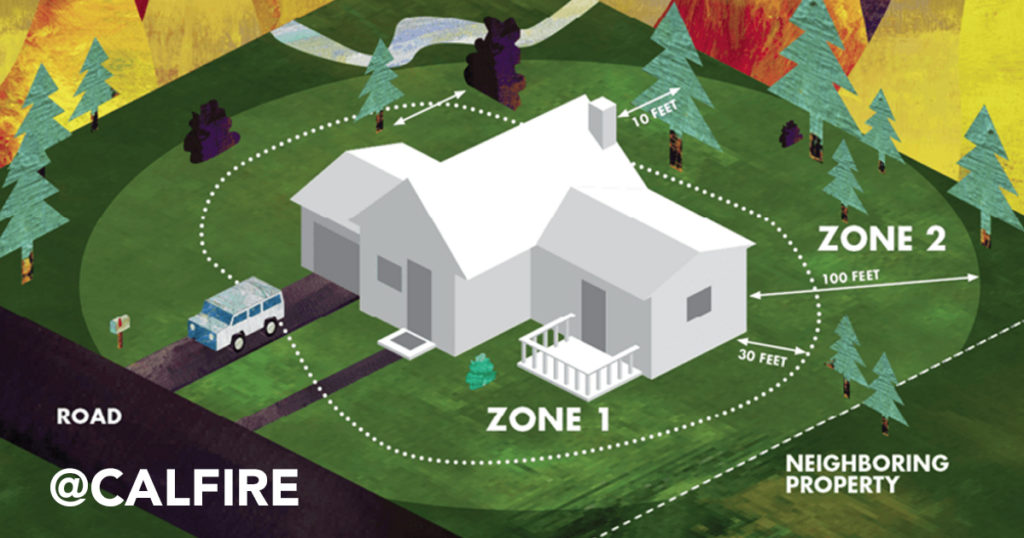
- Create defensible space zones within 30 and 100 feet of your property with
fire-resistant landscaping - Take photos or videos of your home annually to document the condition your home
and personal properties - Install ember-resistant vents and roofing materials to reduce wildfire vulnerability
- Develop an emergency evacuation plan with essential supplies and document
protection - Working with a wildfire claims public adjuster can maximize your settlement after
fire damage
Understanding the Rising Risk of California Wildfires
California wildfire risk is rising due to several interconnected factors that are making fire seasons longer and more destructive each year. The primary drivers include climate change effects, extended drought cycles, and decades of fire suppression creating dangerous fuel loads.
Why Wildfires Are Increasing in Frequency and Severity
California wildfires are becoming more frequent and severe due to a combination of climate change, drought conditions, and the accumulation of dry vegetation.
In 2024, over 8,000 wildfires burned more than one million acres across California, destroying 1,980 structures in the process. 2025 has already seen intense early activity with over 6,928 wildfires burning almost 520,180 acres as of 15 Sept 2025.
Wildfires in California have become an increasingly year-round risk, though the yearly peak when fire risks are at their highest and the most acres burned have shifted from August to July. Rising temperatures, persistent dry conditions, and earlier snowmelt increase the likelihood of large fires, while decades of fire suppression have led to dense forest growth that fuels more intense fires.
How to Prevent Wildfires Around Your Property
While you can’t truly prevent wildfires around your property, you can do your part to reduce ignition risks and decrease the chances of wildfire spreading. This requires creating a defensible space, using fire-resistant materials for your property, and ensuring proper storage practices to protect structures and increase survivability during wildfire events.
Smart Landscaping and Defensible Space
CAL FIRE considers “Ember Zone 0” (0–5 feet) as the most critical area for wildfire prevention since 90% of home ignitions are caused by flying embers. This area should be designed with no wood mulch, combustible siding, or flammable plants. Establish three critical zones that slow or stop wildfire progression. These zones include:
Zone 1 (0-5 feet from structures):
- Install non-flammable ground cover such as stone, gravel, or concrete instead of
wood chips - Clear all plant debris from gutters, roofs, decks, and underneath elevated areas
- Maintain at least 10 feet between any vegetation and chimney outlets
- Store outdoor furniture and combustible decorations away from building exteriors
- Move firewood storage and lumber piles to zone 2
Zone 2 (5-30 feet from structures):
- Eliminate all dried vegetation, fallen leaves, and dead plant material regularly
- Prune tree canopies to prevent branches from touching each other
- Remove lower tree branches up to 6 feet from ground level
- Space plants and shrubs to create gaps that interrupt fire spread
- Keep combustible materials separated from living vegetation
Zone 3 (30- 100 feet from structures)
- Mow grasses to 4 inches or shorter during fire season
- Create spacing between trees and shrubs based on your slope grade
- Remove organic debris buildup while allowing up to 3 inches in some areas
- Establish 10-foot clearance zones around stored wood and fuel supplies
- Maintain fuel-free areas around propane tanks and outbuildings
You can also plant some fire-resistant plants around your perimeters, such as Lavender, sage, succulents, and native grasses. Avoid planting junipers, eucalyptus, pine trees, and other highly resinous plants.
Safe Storage Practices for Flammable Items
Proper storage of flammable materials prevents them from becoming wildfire fuel sources around your property.
Storage Guidelines:
- Firewood: Store 30+ feet from structures, elevated off ground
- Propane tanks: Keep 10 feet of clearance with no flammable vegetation
- Vehicles: Avoid parking on dry grass; maintain exhaust systems
- Outdoor equipment: Store in enclosed spaces during high-risk periods
- Garden tools: Keep gas-powered equipment properly maintained
Water Access Preparation:
- Install outdoor water spigots in strategic locations
- Maintain garden hoses that reach all property areas
- Consider backup water storage systems for firefighting
How to Prepare for a Wildfire Emergency
A wildfire emergency plan should include evacuation routes, supply kits, and document protection strategies.
1. Create a Wildfire Emergency Evacuation Plan
A comprehensive evacuation plan ensures your family can respond quickly when wildfire threatens your property. Most wildfire fatalities occur during evacuation delays, making advance planning critical. Some tips for an efficient evacuation plan include:
- Identify two evacuation routes from your neighborhood since primary routes may
become blocked during emergencies. - Practice your evacuation plan regularly and designate a meeting location outside
the danger zone. - Register for local emergency alert systems and keep important phone numbers
programmed in your mobile device. - Consider investing in a battery-powered radio for emergency communications.
2. Build a 72-Hour Wildfire Emergency Supply Kit
Maintain a ready-to-go emergency kit that supports your family for at least 72 hours away from home. Refer to this basic emergency supply checklist for starters:
- One gallon of water per person per day, non-perishable food, and medications
- N95 masks, flashlights, batteries, and portable phone chargers
- Cash and identification documents in fireproof and waterproof containers
- Pet carriers, food, water, and vaccination records
Consider keeping these supplies in your vehicle during high-risk periods to avoid loading delays during evacuations.
3. Protect Important Documents and Valuables
Keeping back-up copies of important documents and creating property inventories before a wildfire emergency helps you to recover financially and prove ownership for insurance claims in a smoother manner.
- Create digital copies of important documents, including insurance policies, identification,
bank records, and property deeds - Store digital files in cloud-based services accessible from any location
- Keep physical copies in a fireproof safe or safety deposit box away from your property
- Take video or photographic inventory of your belongings for insurance documentation
- Update inventory annually and store copies both digitally and off-site
How to Protect Your Home from Wildfires
Focus on making your home harder to ignite to keep it protected from wildfires. Improve ember resistance, use heat-durable materials, and consider exterior water systems to support those upgrades.
1. Use Fire-Resistant Building Materials
| Component | Standard | Upgrade | Fire-Resistant Benefit |
|---|---|---|---|
| Roofing | Wood shake/shingle | Class A fire-rated metal, tile, composite | Resists ember penetration |
| Exterior walls | Wood siding | Stucco, fiber cement, brick | Higher ignition resistance |
| Windows | Single-pane | Multi-pane with at least one tempered pane | Better heat resistance |
| Doors | Hollow core | Solid core/metal with weather stripping | Prevents ember intrusion |
| Decking | Traditional wood | Composite or metal materials | Reduced ignition risk |
| Vents | Standard mesh | Ember-resistant with fine screening | Prevents interior ember entry |
2. Install Ember-Resistant Vents and Roofing
Ember-resistant vents prevent wind-blown embers from entering attic spaces where they can ignite insulation and structural materials. Research shows that ember attack is responsible for most structure ignitions during wildfires.
Regular maintenance is crucial for effectiveness. Clean gutters and remove roof debris regularly to prevent ember accumulation points. Ensure proper installation with appropriate underlayment and flashing to prevent ember intrusion at joints and edges.
3. Upgrade Your Windows, Doors, and Exterior Walls
Upgrading windows, doors, and exterior walls with fire-resistant materials significantly improves your home’s ability to withstand wildfire exposure and ember attack.
Focus on proper installation and sealing. Install exterior shutters or screens for additional window protection during extreme fire weather. Ensure doors have proper weather stripping and door sweeps to prevent ember intrusion. For exterior walls, pay special attention to sealing areas where different materials meet with fire-resistant caulking.
4. Use Sprinkler and Exterior Water Systems as Backup
Exterior sprinkler systems can provide additional wildfire protection when properly designed and maintained, though they require adequate water pressure during emergencies.
Important Note: Sprinkler systems supplement but don’t replace other protective measures. They may not function during power outages or when water pressure drops during emergencies.
Below are some suggested system design considerations :
- Roofline coverage: Sprinklers along gutters and roof edges
- Perimeter protection: Coverage around immediate structure area
- Backup water supply: Above-ground tanks for emergency use
- Safe positioning: Keep storage tanks at a distance following local ordinances
Wildfire Insurance Claims: What Property Owners Must Know
Wildfire insurance claims require immediate action, careful documentation, and understanding of common mistakes that can reduce settlements.
If you live in a wildfire-prone area, know the steps to take after a loss, avoid insurance claims filing mistakes, and recognize when to seek professional help.
Steps To Take Immediately After Fire Damage
Contact your insurance company immediately after wildfire damage occurs, even if you cannot access your property due to evacuation orders. Most insurance policies require prompt notification, and delays can complicate your claims process.
Some of the things that you’ll need to do immediately are:
- Report the claim: Contact insurer as soon as possible
- Document everything: Photos/videos once safe to access property
- Prevent further damage: Tarp roofing, board windows (temporary measures only)
- Track expenses: Keep receipts for temporary housing and meals
Common Mistakes in Filing Fire Damage Insurance Claims
Take note of these common mistakes when you file a fire damage insurance claim.
1. Accepting the First Settlement Offer
Initial settlement offers may not account for all damage or full replacement costs. Always get an independent damage assessment before accepting any offer, as initial settlements rarely reflect the full extent of your losses.
2. Starting Permanent Repairs Too Early
Beginning repairs before your insurance adjuster completes their assessment can complicate your claim and potentially void coverage for certain damages. Take immediate steps to prevent further damage like tarping roofs, but wait for adjuster approval before permanent work.
3. Missing Hidden Fire and Smoke Damage
Smoke infiltration in HVAC systems, electrical damage from heat exposure, and structural stress often go undetected in initial assessments. Professional evaluation can identify damage to insulation, ductwork, and building systems that significantly increases claim value.
4. Inadequate Damage Documentation
Poor photo and video documentation leads to claim delays, disputes, and reduced settlements. Document all damage thoroughly from multiple angles, including close-ups of specific damage and wide shots showing overall impact.
5. Misunderstanding Policy Coverage Terms
Not knowing whether you have actual cash value versus replacement cost coverage can result in significantly lower payouts. Review your policy carefully and understand how depreciation, deductibles, and coverage limits affect your settlement.
Why Working With a Wildfire Claims Public Adjuster Matters
A public adjuster works for you, not the insurance company. They put your interests first, handling documentation and negotiations to pursue a full, fair settlement.
Key advantages of hiring a public adjuster for wildfire claims: The complexity of wildfire damage assessment—including smoke infiltration, structural stress, and business interruption—makes professional representation especially valuable for property owners.
- Specialized expertise: Professional public adjusters understand both visible and hidden wildfire damage
- Comprehensive evaluation: Thorough assessment may reveal additional covered losses not otherwise noticed
- Policy knowledge: Deep understanding of coverage terms and exclusions
- Negotiation experience: Proven track record of maximizing settlements
- Stress reduction: Handle all insurer communications during difficult times
How Allied Public Adjusters Help You Recover After Wildfires
After experiencing wildfire damage, going through the insurance claims process can feel overwhelming, especially when you’re dealing with displacement, loss, and recovery decisions. Having public adjusters on your side makes a difference in your financial recovery.
Assisting With Wildfire Insurance Claim Public Adjuster Services
AlliedPA brings in 25+ years of experience handling complex wildfire insurance claims throughout California, with specialized teams that understand the challenges of fire damage assessment. Our team-based approach helps to make sure that most aspects of your losses are compensated.
Why AlliedPA’s Team-Based Approach Makes a Difference
AlliedPA has a team of specialists to assess different aspects of your claim with their expertise, leading to higher claims recovery from your initial claim offer from insurers.
Some of the teams involved in our claims include:
- Construction specialists: Identify structural damage and smoke infiltration
- Engineering experts: Assess foundation and system damage
- Insurance law professionals: Navigate complex policy terms and exclusions
- Technology specialists: Use advanced documentation tools for comprehensive
loss assessment
Wildfire Damage Claim Expertise:
- Visible damage: Structural fire damage, destroyed property, landscaping loss
- Hidden damage: HVAC contamination, electrical systems, smoke penetration
- Additional expenses: Temporary housing, business interruption, debris removal
- Policy maximization: Ensure full utilization of coverage limits and benefits
Unlike traditional public adjusters who handle everything individually, our specialized team approach means experts focus on their specific areas while coordinating for optimal results.
Get a Free Claim Consultation to Maximize your Settlement
AlliedPA offers free consultations to help you understand your wildfire insurance coverage and support you in receiving fair compensation for your losses.. Our assessment includes reviewing your policy terms, damage extent, and potential settlement value without any upfront costs.
What Our Free Consultation Includes:
- Policy review: Analysis of your coverage terms, limits, and exclusions
- Damage assessment: Preliminary evaluation of your wildfire losses
- Settlement estimate: Realistic projection of potential claim value
- Process explanation: Clear understanding of what to expect
- No-obligation decision: Complete freedom to choose your next steps
Why Choose a Professional Public Adjuster to Help:
- Contingency-based: You pay nothing unless we secure a settlement
- Complex claim expertise: We handle cases other adjusters often decline
- Proven results: Track record of successful wildfire claim resolutions
Why California Property Owners Trust AlliedPA
California property owners choose AlliedPA because we specialize in complex wildfire claims that require extensive investigation and expert analysis. Our reputation is built on achieving results where others have failed.
AlliedPA’s Unique Approach
- Complex case focus: We take on challenging claims requiring detailed
investigation - Post-denial success: Many clients come to us after other adjusters couldn’t
achieve fair settlements - Technology advantage: Advanced documentation and assessment tools
- Network of experts: Access to specialized consultants and contractors
- Legal backing: Understanding of insurance law and regulatory requirements
Schedule a free consultation or give us a call at (949) 520-1171 to discuss your wildfire damage claim.
FAQs
How can I protect my property from California wildfires?
Protect your property by creating defensible space zones within 30 and 100 feet of structures, using fire-resistant building materials, and maintaining proper vegetation management. Install ember-resistant vents, upgrade to Class A fire-rated roofing, and develop emergency evacuation plans.
How do I prepare for a wildfire evacuation?
Create and practice a family emergency plan with multiple evacuation routes, maintain a ready-to-go emergency supply kit, and protect important documents through digital copies. Register for local emergency alerts and keep your vehicle fueled during high-risk periods.
What should I do immediately after wildfire damage?
Contact your insurance company immediately to report the loss and document all damage with photographs and videos once safe to access your property. Avoid permanent repairs until insurance adjusters complete their assessment, but take steps to prevent further damage.
Can a public adjuster help with wildfire insurance claims?
Yes, public adjusters provide specialized expertise in fire damage assessment, advocate for maximum settlements, and handle all communication with insurance companies. They work exclusively for policyholders and often achieve significantly higher settlements than property owners receive independently.
What should I include in a wildfire emergency kit?
Include one gallon of water per person per day, non-perishable food for 72 hours, prescription medications, N95 masks, flashlights, batteries, and portable phone chargers. Add cash, identification documents in waterproof containers, and pet supplies including carriers, food, and vaccination records.
Does insurance cover wildfire damage in California?
Most homeowners insurance policies cover wildfire damage in California, but coverage varies based on policy terms and deductibles. Review your policy for actual cash value versus replacement cost coverage and any exclusions that might affect your claims.
When Should I Hire a Public Adjuster for Wildfire Damage?
Hire a public adjuster when facing complex claims involving multiple structures, business interruption, or coverage disputes. Consider professional assistance if your insurance company’s initial settlement seems inadequate or you feel overwhelmed by the claims process.
How do I fireproof my house against wildfires?
Upgrade to Class A fire-rated roofing materials, install ember-resistant vents, use multi-pane tempered glass windows, and replace wood siding with fire-resistant alternatives. Create defensible space zones and remove combustible materials from around structures.