
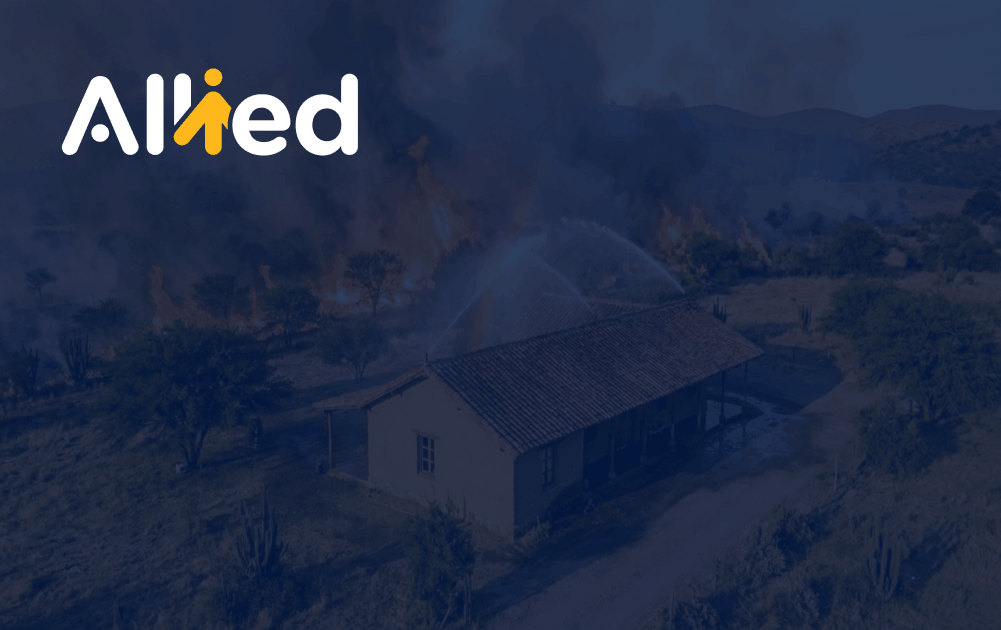
A smoke damage insurance claim is a request filed with your insurer to pay for the costs of cleaning, recovering, repairing, and replacing property affected by smoke, soot, or ash. Unlike fire damage, smoke damage goes beyond what is visible, with acidic residues and chemical compounds penetrating structural cavities, HVAC systems, and porous materials, well after a fire is out or even without the fire itself in close proximity to the structure.
This guide explains the smoke damage claim process, what to expect from insurance companies, and the role of specialized experts in securing a proper settlement.
Key Takeaways:
- Smoke damage is typically covered under standard homeowners insurance, but insurers may undervalue or dispute the extent of the damage.
- Smoke damage insurance claims require early action and clear evidence within 24-48 hours to avoid underpayment or denial.
- Do not run HVAC systems after smoke damage, as it spreads soot contamination throughout the property.
- California law requires insurers to acknowledge and handle smoke damage claims within specific timelines, explain denials, and allow disputes.
Is Smoke Damage Covered by Insurance?
Smoke damage is covered under most standard homeowners and commercial property insurance policies. However, coverage depends on the source of the smoke, the type of policy you hold, and how the insurance company interprets the damage. The last part is often the source of disputes.
What Most Homeowner Policies Say About Smoke and Fire Damage
Standard HO-3 policies list fire and smoke as covered perils, meaning smoke damage from a covered fire event is eligible for a claim. Coverage can include:
- Coverage A: Dwelling
- The physical structure of your home, such as walls, roof, and built-in appliances
- Coverage B: Other structures
- Other structures on the premises that are detached from the dwelling, like garages and tool sheds
- Normally limited to 10% of your coverage A limit
- Coverage C: Personal property
- Contents in your home, such as valuables, furniture, and clothing, but only if you can prove that it’s damaged by a named peril like smoke, alongside additional living expenses (ALE) if the property proves unlivable
Verify whether your policy pays out on Replacement Cost Value (RCV) basis, which covers the costs of new items, or Actual Cash Value (ACV), which factors in depreciation. ACV often leaves property owners with significant out-of-pocket expenses.
If the smoke damage in your home is caused by a covered fire event, consult a fire claims public adjuster to help you interpret policy language and its nuances before the process gets complicated.
What Smoke Damage Coverage Usually Does Not Include
Policies may exclude smoke damage caused by controlled burns, fireplaces, and cooking appliances. Damage caused by the homeowner’s own negligence, like leaving a fire unattended, can also be a cause for exclusion. Sublimits on personal property or content replacement may further reduce the payout.
What Makes Smoke Damage Insurance Claims Different in California?
California’s Fair Claims Settlement Practices Regulations impose strict timelines on insurance companies:
- 15 days to acknowledge a claim
- 40 days to accept or deny a claim
- 30 days to pay the undisputed amounts upon acceptance
The regulation requires insurance companies to provide any denial in writing, citing specific policy provisions and legal bases. It also prohibits insurers from making unreasonably low settlement offers that undervalue the claim.
Beyond the timeline, California Insurance Bulletin 2025-7 reinforces an insurer’s duty to conduct a thorough and objective investigation of smoke damage, rather than just a surface-level walkthrough. For wildfire events specifically, smoke infiltration from fires miles away can qualify as a covered loss.
Working with a public adjuster from California ensures your claim follows state regulatory requirements, building codes, and the specific protections California law provides.
What to Do After Smoke Damage and Protect Your Claim
The actions you take in the first 24 to 48 hours directly shape the strength and outcome of your insurance claim for smoke damage. The property owner must document and demonstrate the full extent of the loss. Early mistakes may give insurers grounds to challenge or deny the claim.
Immediate Safety and Stabilization Steps
- Safety clearance: Wait for official fire authority clearance before re-entering the property.
- HVAC shutdown: Do not turn on your HVAC systems, open windows, or run fans, as ventilation spreads the contamination to previously unaffected spaces.
- Loss mitigation: Standard policies include a clause requiring homeowners to prevent further damage, called mitigation, including covering up undamaged items and boarding up broken windows as needed.
- Initial documentation: Record high-resolution video and photos of affected areas, and keep all receipts of temporary repairs and additional living expenses if available.
How to Document Smoke Damage for an Insurance Claim
Thorough documentation is what separates a well-supported claim from one that is disputed. The documentation steps include:
- Recording full video walkthroughs of every room.
- Capturing high-resolution photos of all affected surfaces, contents, and structural areas.
- Drafting a detailed inventory of damaged belongings with approximate values and receipts if available.
- Logging all communications with your insurer, regardless of the format.
Do not clean, discard, or restore anything yet, even if it appears unsalvageable. Cleaning or discarding items too soon can destroy evidence, preventing a full assessment of the damage. For wildfire-related smoke damage, a wildfire public adjuster can handle documentation early to capture the full scope of loss.
Understanding the Smoke Damage Insurance Claim Process
The smoke damage insurance claim process follows a structured sequence from reporting to settlement. What happens at each stage, and how thoroughly it’s done, can determine your claim outcome. Here’s what you should do:
Step 1: Report the Claim and Get a Claim Number
Notify your insurer as soon as possible after the loss. Provide:
- Date and cause of the incident.
- Initial descriptions of damage.
- Supporting photographs and videos.
Every interaction from this point should be documented as well.
Step 2: The Insurance Company Sends Their Adjuster
Your insurance company will assign an adjuster to inspect the property after you notify the company of the claim. Their role is to assess the damage, estimate repair costs, and apply the policy terms to your damage.
They work for the insurer and are trained to settle claims in the insurer’s favor. To ensure you’re fairly represented, you should consider hiring a public adjuster near you.
Step 3: Scope of Loss and Settlement Offer
After the inspection, the insurer’s adjuster prepares a report detailing the scope of loss, estimated costs, and coverage limits. The insurance company will then provide an initial settlement offer.
Step 4: Negotiation and Final Settlement
The initial offer may be undervalued. You have the right to dispute the offer, submit additional evidence, and request a re-evaluation. If you prefer, a public adjuster can also handle the renegotiation on your behalf to pursue a fair settlement based on your policy coverage. Many claims see improved outcomes during this stage.
Why Smoke Damage Insurance Claims Get Underpaid or Denied
Smoke damage insurance claims are among the most disputed in property insurance claims. Understanding how and why these disputes arise helps you respond effectively. The most common reasons for a denied or underpaid smoke damage claim include:
- No visible physical damage was found on the structure of the property.
- Contamination was attributed to pre-existing conditions, such as cooking, broken appliances, or candles, rather than a covered fire event.
- Incomplete documentation of the overall loss.
- Policy exclusions or sublimits specific to your homeowners policy.
Claims may also get denied or underpaid if adjusters overlook damage that isn’t immediately visible.
Hidden Smoke Damage Insurers Routinely Miss
Standard insurance walkthroughs focus on visible damage. However, smoke isn’t contained to the room where the fire started and travels to hidden spaces. Soot particles are acidic and penetrate porous surfaces like drywall, insulation, and fabric at a microscopic level.
An adjuster contracted to an insurer may not see damage to the following upon initial inspection:
- HVAC systems and ductwork, where soot accumulates and circulates the rest of the property.
- Wall cavities and insulation, where invisible chemical particulates settle.
- Electronics and appliances, where acidic soot causes internal corrosion and functional failure.
- Porous contents, like clothing and furniture, that absorb odor and chemical byproducts of smoke and fire.
Beyond aesthetic concerns, unmitigated smoke damage poses long-term health risks. A thorough insurance claim for smoke damage must account for all affected areas, not just rooms with visible discoloration.
What Does a Denied Smoke Damage Insurance Claim Mean?
A denied claim may mean that your insurance company has declined the current submission, but it does not prevent you from taking further action to dispute the decision. If a denial lacks a clear factual and policy-based explanation, you’re entitled to challenge it.
You can:
- Review your insurance policy coverage to identify coverage types, exclusions, deductibles, and sublimits.
- Gather additional documentation and hire independent testing to support your claim dispute.
- Request a written explanation from the insurer.
- Submit a formal claim dispute with supporting documentation, explaining why you believe the insurer’s decision is incorrect.
Who Are the Specialists Helpful in Smoke Damage Insurance Claims?
Navigating a smoke damage insurance claim process requires technical expertise that most property owners do not have. Involving the right specialists early is one of the most effective steps you can take after a smoke loss.
Licensed Public Adjuster
Unlike an adjuster hired by the insurance company, a licensed insurance claims public adjuster represents your interests. Their scope covers:
- Reviewing insurance policy: Identify all applicable coverages, endorsements, sublimits, and potential exclusions.
- Managing documentation: Coordinate the entire documentation process, from gathering visual evidence and inventories to conducting inspections and outlining the scope of restoration.
- Preparing and managing the claim process: Prepare and submit the claim on your behalf, and manage all communications with your insurance provider throughout the claim process.
Industrial Hygienists and Smoke Testing Experts
Certified industrial hygienists and smoke testing experts provide a scientific foundation to strengthen your smoke damage insurance claim. They assess the damage through air sampling, surface testing, and lab analysis, including from wall cavities, HVAC systems, insulation, and other areas overlooked during a standard walkthrough.
They will prepare a written report that can be the primary evidence to justify your claim and the total loss. Without it, insurers can argue that there’s nothing to remediate.
Licensed Contractors with Fire/Smoke Restoration Experience
IICRC-certified restoration contractors will assess the extent of the damage and produce repair estimates that reflect the actual scope of remediation.
The scope of work may include professional duct cleaning, contents restoration, structural repairs, and odor elimination. Their estimates can support your claim scope and counter lowball settlement offers from the insurer.
The table below summarizes the difference between these roles and how they contribute to your claim:
| Specialist | Who they work for | Role in your claim |
|---|---|---|
| Insurance company adjuster | The insurance company | Reviews the damage on behalf of the insurance company to protect payout exposure |
| Public Adjuster (Allied) | Homeowner | Inspects the damage thoroughly, builds and presents your damage, and pursues a fair settlement based on your policy coverage |
| Industrial hygienist | Independent or hired by homeowner | Tests air, surfaces, and hidden areas to produce scientific evidence of deeper smoke contamination |
| Restoration contractor | Independent or hired by homeowner | Prepares industry-standard repair estimates to support your claim scope |
How a Public Adjuster Strengthens Your Smoke Damage Insurance Claim
During the claim process, a public adjuster brings the same policy knowledge, documentation standards, and negotiation expertise that insurance companies use internally to help you achieve a successful outcome.
Ideally, you should contact a public adjuster before the insurance carrier’s adjuster conducts their inspection. If that window has passed, it’s still worth reaching out, especially if the settlement offer seems low, the claim was denied without explanation, or the process keeps getting delayed.
What Allied Does That Your Insurance Company Won’t
Allied Public Adjusters is a licensed firm that has represented property owners in California since 1997. The team consists of licensed public adjusters, in-house legal staff, engineers, and accountants to advocate for you.
Our team-based model is particularly important for smoke damage insurance claims, where the full scope of loss spans structural damage, contents, air quality, additional living expenses, and sometimes even business interruptions.
We advocate for your entire loss, including damage the insurer’s adjuster may have dismissed. This includes coordinating independent hygienist testing, preparing comprehensive claim packages, and maintaining consistent follow-up to prevent files from stalling.
Call us at (949) 520-1390 or schedule a free consultation to discuss your smoke damage situation and see how we can help with your specific claim.
Smoke Damage Insurance Claims: Quick Action Checklist
A structured checklist helps you manage the claim and avoid missing key steps. Follow the timeline below to keep documentation and communications organized.
- Within 24 hours:
- Wait for fire department clearance before re-entering.
- Do not run your HVAC system to avoid spreading soot contamination through the duct system.
- Report the loss to your insurance company.
- Document everything in photographs and video format before touching anything.
- Within 48-72 hours:
- Secure a claim number and record all communications with the insurer.
- Continue photo and video documentation across all rooms, surfaces, and contents.
- Do not clean, deodorize, or dispose of damaged items yet.
- Contact a public adjuster before the insurance company’s adjuster visits, if possible.
- Within the first week:
- Get independent contractor estimates for smoke damage restoration.
- Request a full copy of your insurance policy and review your coverage limits and exclusions.
- Submit all documentation to the insurer in writing.
- If the settlement offer seems low or the claim is denied, contact Allied Public Adjusters immediately for a free review.
FAQs
Is smoke damage covered by homeowners insurance?
Yes, most standard homeowners policies cover smoke damage caused by a named peril like a fire or wildfire, but exclusions commonly apply to smoke from fireplaces, cooking, or controlled burns.
What should I do immediately after smoke damage?
Wait for safety clearance, turn off the HVAC system, and take thorough visual documentation of all rooms.
How do I file a smoke damage insurance claim?
Report the loss to your insurer right away to get a claim number. Document all damage thoroughly before any cleaning begins and submit as evidence. If possible, consult a public adjuster before the insurer’s adjuster arrives.
Why was my smoke damage claim denied?
Common denial reasons include no visible damage found, insufficient documentation, pre-existing conditions, and policy exclusions.
What does smoke damage restoration involve?
Professional smoke restoration includes surface cleaning of all affected areas, material repair or replacement, HVAC decontamination, and odor removal.
Does smoke from a wildfire count as an insured loss?
Yes, ash and smoke from a wildfire are considered physical losses that trigger coverage under most homeowners policies.
What specialists help with smoke damage claims?
Public adjusters, industrial hygienists, smoke testing experts, and restoration contractors are the primary specialists involved.
How long does a smoke damage insurance claim take?
Timelines vary by complexity. Based on past claims, we’ve seen claims that take weeks to resolve, while the more complex ones may take years.
Can I reopen a smoke damage insurance claim?
Yes, you can submit additional documentation and dispute the claim outcome.
How does a public adjuster help with smoke damage?
They conduct independent inspections, identify hidden contamination, submit the claim, and negotiate with the insurance company to advocate for a fair settlement.
References
- California Department of Insurance. (2013). Fair Claims Settlement Practices Regulations (Cal. Code Regs. tit. 10, §§ 2695.1-2695.14). https://www.insurance.ca.gov/01-consumers/130-laws-regs-hearings/05-CCR/fair-claims-regs.cfm
- California Department of Insurance. (2025, March 7). Bulletin 2025-7: Insurance coverage for smoke damage and guidance for proper handling of smoke damage claims for properties located in or near California wildfire areas. https://www.insurance.ca.gov/0250-insurers/0300-insurers/0200-bulletins/bulletin-notices-commiss-opinion/upload/Bulletin-2025-7
- Insurance Information Institute. (n.d.). Wildfires: Insurance and recovery resources. https://www.iii.org/article/wildfires-insurance-and-recovery-resources
- U.S. Environmental Protection Agency. (n.d.). Strategies to reduce exposure indoors. Wildfire Smoke Course. https://www.epa.gov/wildfire-smoke-course/strategies-reduce-exposure-indoors
- Colorado Department of Public Health & Environment. (n.d.). Indoor air quality after a fire. https://cdphe.colorado.gov/iaq-fires
*In a review of approximately 534 closed claims from 1997 to 2026, settlements averaged 1,283% above the insurance company’s initial claim payments and/or undisputed value. Based on closed files where the carrier made an initial determination of claim value, individual results varied widely. Files without a documented initial claim value were not included. Results vary by claim and depend on policy terms, damage severity, and the facts of each claim. Past results do not guarantee future outcomes.