
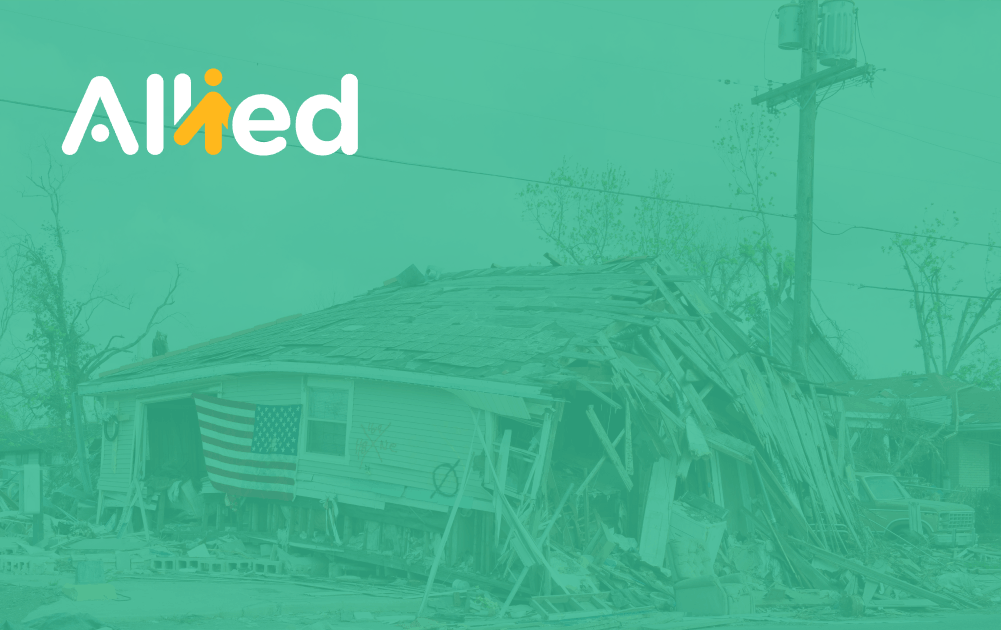
For some homeowners, a tropical cyclone or the Santa Ana winds mean lifted shingles, damaged siding, broken windows, and even water intrusion from wind-driven rain. When the sky clears, they’re left removing downed trees and debris, while pondering how to fix their homes and recover losses.
In this article, you’ll learn how wind damage restoration works and how insurance companies evaluate claims. Knowing the insurer’s assessment process can help you get a fair settlement and appeal a denied or underpaid claim.
Key takeaways:
- Wind damage restoration addresses structural and roof damage caused by high winds.
- Insurance companies evaluate wind damage claims based on inspections.
- Coverage depends on inspection findings, policy terms, and exclusions.
- Claims are often disputed over pre-existing damage or insufficient documentation.
- Early inspection and proper documentation may influence claim outcomes.
What Is Wind Damage Restoration?
Wind damage restoration is the process of inspecting, mitigating, and repairing property damage caused by strong winds from severe storms, cyclones, Santa Ana winds, and other severe weather conditions. Wind damage restoration usually covers structural and roof damage, aiming to bring them to pre-loss conditions.
The process of wind damage restoration often includes:
- Inspection: An assessment of the damage.
- Emergency services: Addresses immediate dangers.
- Water damage mitigation: Involves water extraction, drying, and dehumidification.
- Debris removal: Cleans up branches, glass, and other debris.
- Structural repairs: Repair or replace damaged parts of the property.
- Final restoration and cleaning: Repainting and other finishing touches to bring the property to pre-loss conditions.
Common Types of Wind Damage to Property
Roof damage, cosmetic damage, structural damage, and interior damage due to wind-driven rain are common types of wind damage to property.
Wind Damage to Roof
High winds can lift or tear shingles, flashing, and vents on a roof. This damage can expose underlying materials to water intrusion, damaging roof integrity over time. Roof damage is the most common damage caused by severe weather like high winds, according to the Insurance Institute for Business & Home Safety.
Cosmetic Damage
Strong winds can damage your home’s appearance but not affect its structure or function. These are surface-level issues like dents in your siding and scratches on your roof.
Structural Damage
Wind damage can impair how well your home functions and protects against the elements, compromising your home’s integrity. Examples are an uplifted roof or cracks in walls. Some damage, such as a broken siding or window, may look cosmetic at first, but affect your home’s structure later on by letting water seep in.
Interior Damage Caused by Wind-Driven Rain
High-velocity winds can force rainwater into your home through a damaged roof, siding, or window seals. Rainwater seeps into your attic or ceiling, causing mold and rot to plywood and framing, damage to insulation, or stains on ceilings and walls.
Is Wind Damage Covered by Insurance?
Homeowners’ insurance policies typically cover wind damage. It’s often listed as a covered peril under dwelling and personal property coverage.
When Wind Damage Is Typically Covered
In most insurance policies, damage is covered when it is a “direct physical loss caused by wind” or wind-driven debris. Coverage includes:
- Structural damage: Involves the roof and walls.
- Detached structures: Includes fences, sheds, or detached garages.
- Damage from debris: Includes damage from fallen branches and other wind-blown debris.
- Interior damage: Includes water intrusion-related damage.
- Loss of use: Insurance may cover temporary living expenses if the house becomes uninhabitable.
Policy Exclusions and Deductible Considerations
Insurance policies for wind damage may contain exclusions and conditions that you should know about.
- Wear and tear or neglect: Your insurer may deny your claim if your roof was already in poor condition.
- Wind or storm deductibles: Policies may have deductibles for wind, hail, and named storms in high-risk areas.
- Percentage-based deductibles: Wind/hurricane deductibles can be calculated as a percentage of your home’s insured value.
- Excluded wind events: In some areas, homeowners’ policies exclude wind damage.
The Role of a Wind Damage Inspection
A wind damage inspection identifies and assesses structural and cosmetic damage to your property. It helps determine what repairs are needed and create documentation to support your insurance claim.
Contractor vs Adjuster Inspections for Wind Damage
When your home sustains wind damage, a contractor from your chosen restoration company inspects your property to see what repairs are needed to restore your home to pre-loss conditions.
Meanwhile, an adjuster assesses your property damage through your policy terms to determine what’s covered and how much the insurer may pay. Part of this inspection is documenting the damage to make sure your claim is supported.
What Inspectors Look For After High Winds
During inspections, the inspector checks for obvious and hidden or structural damage to your property caused by high winds. They aim to find out the cause, scope, and severity of damage.
Here are some examples of what they look for:
- Shingle/tile damage
- Damaged roof edges and ridge caps
- Damaged flashing and vents
- Compromised structural components
- Interior water damage
Why Early Inspections Affect Insurance Outcomes
Early inspections affect insurance outcomes because they provide timely, verifiable evidence that links damage directly to a specific weather event, rather than to neglect or pre-existing wear and tear.
Early inspections affect your insurance outcomes because they help:
- Uncover all damage so you can prevent further damage (most policies require you to stop damage from worsening after the covered event).
- Accurately identify the cause of damage.
- Secure “fresh evidence” documentation.
- Meet policy deadlines.
For homeowners, a residential claims public adjuster can help you work towards comprehensive documentation during the inspection stage.
How a Wind Damage Insurance Claim Is Assessed
Insurers assess wind damage claims through their adjuster’s property inspections. They use their findings, along with your policy terms and exclusions, to determine coverage, validate your claim, and estimate repair costs.
Establishing Cause of Loss
The insurer’s adjuster establishes the cause of loss to determine if the damage is wind-driven or related to other issues like poor maintenance. They check:
- Physical evidence and meteorological data: Cross-check findings with meteorological data, particularly wind speeds.
- Separating perils: Covered if wind creates an opening for water intrusion. Not covered if no wind-created opening or flooding is involved.
- Pre-existing condition check: Check if damage is from wear and tear or lack of maintenance rather than the wind event.
- Documentation: Take photos and videos to establish the context of the damage.
Estimating Scope and Repair Costs
The insurer’s adjuster determines which repairs are needed to calculate a claim estimate. They:
- Conduct initial inspection: Insurers document all affected areas.
- Use roof measurement software: Insurers use aerial measurement software to calculate your roof dimensions. They enter this data into Xactimate to get a repair estimate.
- Determine valuation type: Insurers determine your payout based on whether your policy is Replacement Cost Value (full repair cost) or Actual Cash Value (depreciated value).
- Involve a contractor: Insurers may ask you to provide an independent estimate to compare against their findings.
Evaluating Secondary Interior Damage
The insurer’s adjuster should look for covered interior damage during inspections. Since these aren’t always immediately visible, they may be missed. Getting an independent inspection from a public adjuster helps make sure covered interior damage is also documented.
Secondary interior damage includes:
- Water and moisture: Includes hidden water inside walls and ceilings.
- Structural damage: Includes structural compromises in rafters, joists, or wall systems.
Wind Damage Roof Restoration: What Insurers Evaluate
Insurers evaluating a wind damage roof restoration claim focus on whether the roof damage qualifies as a covered loss and whether replacement or repair is needed.
They identify:
- Cause: They confirm whether a covered wind event caused the damage, and not wear and tear or lack of maintenance.
- Scope: They identify every single item that was damaged.
- Severity: They find out how bad the damage is for each identified item. This helps them assess if repair or replacement is needed.
- Hidden damage: Includes water intrusion or weakened structural components.
Wind and Storm Damage Restoration for Commercial Properties
Wind and storm damage restoration for commercial properties is a multi-phase process of assessing, repairing, and restoring commercial buildings damaged by high winds or severe storms. Unlike residential restoration, commercial restoration also factors in business interruption considerations.
Business Interruption
For insurance claims for commercial properties, business interruption coverage applies if it’s included in your policy and properly claimed. You’ll need proper documentation to accurately apply coverage for business interruption.
Working with a commercial insurance claim adjuster can help you work toward a fair settlement for both structural damage and operational losses.
Possible Causes of Denials for Wind Damage Insurance Claims
Denied wind damage insurance claims happen when insurers attribute damage to wear-and-tear, lack of maintenance, pre-existing conditions, or manufacturer defect, rather than a covered wind event.
Disputes Over Pre-Existing Damage
Insurers may argue that the damage existed before the storm, attributing the damage to conditions such as an aging roof, rot, or wear-and-tear.
Insufficient Documentation
Incomplete documentation may lead to a denied claim. Without clear proof, insurers may argue the damage is not directly related to the wind event.
Late Reporting and Policy Interpretation
Timely reporting and a clear understanding of coverage requirements are critical to avoiding a denied claim.
The Role of a Wind Damage Public Adjuster
A wind damage public adjuster can help manage your claim from start to finish. They handle the inspection, document the damage, and take over the negotiations so you don’t have to deal with the insurance company yourself. Their goal is to make sure you get a fair payout that covers the cost of your repairs based on your policy.
Reviewing Scope and Insurance Estimates
A wind damage public adjuster reviews inspections, repair estimates, and policy coverage to help maximize your claim settlement.
- Independent assessment: They conduct an independent inspection on your behalf.
- Comprehensive valuation: They prepare independent estimates based on the unique features of your home, current market rates, building codes, and manufacturer specifications.
- Policy analysis: They review your policy to maximize coverage.
Supporting Policyholders During Disputed Claims
When disputes arise, public adjusters advocate for the policyholder, helping navigate negotiation, documentation, and coverage interpretation.
- Negotiation and advocacy: They act as the primary point of contact and advocate for a fair settlement.
- Dispute resolution: They find evidence to fight denied, undervalued, or underpaid claims.
- Maximizing payouts: They aim for settlements that maximize the specification of your policy.
Schedule a free consultation today with Allied Public Adjusters to ensure a fair settlement.
FAQs
What is wind damage restoration?
Wind damage restoration is the process of assessing, mitigating, and restoring property damage caused by high winds.
Is wind damage covered by homeowners’ insurance?
Yes. Homeowners’ insurance generally covers direct physical loss caused by wind. Depending on your policy, exclusions and deductibles may affect what’s covered.
How do insurance companies assess wind damage?
Insurers assess wind damage based on their inspections. Based on the inspection findings and your policy terms and exclusions, they determine coverage.
What qualifies as wind damage to a roof?
Missing shingles, lifted flashing, or holes due to wind-driven debris that are caused by a covered wind event. Pre-existing wear may not be covered.
Why are wind damage insurance claims denied?
Claims may be denied due to pre-existing damage, insufficient documentation, late reporting, or misinterpretation of policy terms.
How soon should wind damage be inspected?
As soon as possible after a storm. Early inspections help validate claims, prevent disputes, and identify hidden damage.
Can wind-driven rain be covered by insurance?
Yes, if wind causes holes or openings that allow water intrusion. Documentation and proof are essential for claim approval.
References
Elemental Restoration. (n.d.). Storm and wind damage restoration. https://elemrestoration.com/services/storm-and-wind-damage-restoration/
Disaster Cleanup Alaska. (n.d.). What is wind damage restoration? https://disastercleanupalaska.com/what-is-wind-damage-restoration/
NextGen Restoration. (2025, April 22). Does homeowners insurance cover storm damage repairs? https://nextgenrestoration.net/does-homeowners-insurance-cover-storm-damage-repairs/
Leon Insurance Attorneys. (2025, May 27). Wind damage: Maximize your insurance claim. https://www.leonattorneys.com/blog/wind-damage-maximize-your-insurance-claim/
Matic. (n.d.). What does homeowners insurance cover? https://matic.com/what-does-homeowners-insurance-cover/