

- Written By: APA
- Published On: March 18, 2026
- Last Updated: March 18, 2026
- 23 min read
Early signs of water damage, such as a small paint bubble or a slightly musty smell, are often dismissed as standard wear and tear. However, these subtle changes could be significant since insurance policies usually differentiate between sudden accidents and gradual or maintenance issues.
Key Takeaways
- Water damage often starts inside walls or under floors, showing subtle signs long before a visible leak or flood appears.
- Early signs are most common in basements, attics, and ceilings, where gravity and groundwater pressure force moisture through the structure.
- Musty odors and unexplained indoor humidity usually indicate hidden mold growth and active moisture.
- Documenting early signs proves the damage is fresh, which is critical for securing your water damage insurance claim.
- Acting immediately helps you meet the prompt notice requirement and prevents insurers from denying coverage due to neglect.
Early Signs of Water Damage
According to United Policyholders, standard California homeowners policies cover sudden and accidental water damage but exclude gradual deterioration or maintenance-related problems. If you miss the signs of water damage and a leak persists for months, the insurance company may view it as long-term neglect rather than a sudden, covered event.
Identifying these 15 signs early is the most effective way to establish a clear timeline and secure your claim.
Signs in Walls and Paint
Wall damage hides behind finished surfaces like paint or drywall. Water seeps into wall cavities from plumbing leaks, burst pipes, roof infiltration, or exterior cracks (sometimes for weeks) before visible signs appear.
One of the earliest indicators is texture changes, which often surface 24 to 72 hours after water exposure. Watch for these warning signs:
- Bubbling, Peeling, or Blistering Paint: When paint bubbles, peels away from the wall, or appears raised, water has seeped between your wall and the paint layer. Water trapped behind the surface breaks the paint’s bond, creating blisters. In California’s climate, paint usually deteriorates from UV exposure and heat, showing fading or chalking, not bubbling or blistering patterns. When you see paint bubbling, you’re looking at active moisture intrusion.
- Warped or Soft Drywall: Drywall absorbs water like a sponge. If it feels mushy or gives when pressed, there’s a leak behind it. Test this by pressing gently on walls near sinks, toilets, windows, or exterior walls. Healthy drywall should feel firm and solid. If the surface gives under light pressure or feels spongy, water has saturated the gypsum core inside, breaking down its structure.
- Sweating Walls: Persistent moisture or droplets on walls in non-humid rooms indicate an internal plumbing issue. This condensation occurs when warm, moist air from a hidden leak meets the cooler surface of your wall. If you notice this phenomenon in bathrooms, kitchens, or near plumbing fixtures (especially during California’s cooler months), it’s a strong sign of water escaping from pipes within your walls.
- Widening Hairline Cracks: Hairline cracks form when moisture causes materials to expand, contract, or shift. These cracks start thin enough to miss but widen as materials go through repeated wetting and drying cycles. If cracks widen over days or weeks, or if you notice them paired with discoloration or musty odors, you’re looking at active water damage rather than normal settling, which means that you need professional assessment and a water damage insurance claim.
Note: California homes with stucco exteriors face additional risks. Stucco cracks allow moisture to penetrate behind walls where it saturates drywall from the back side, making damage invisible until it progresses significantly.
Signs on Ceilings
Ceiling water damage progresses faster than wall damage because gravity pulls saturated materials downward, causing drywall to lose structural integrity rapidly under its own weight. Look for these telltale signs:
5. Faint Yellow Stains: Early saturation often looks like a light shadow or pale yellow ring before turning dark brown. You can tell how old a discoloration is by the rings as well. Outer rings represent older damage while darker inner rings indicate recent moisture.
Multiple concentric circles prove ongoing or repeated water intrusion rather than a single isolated incident.
6. Structural Bulges: A slight sag in the ceiling means water is pooling on top of the drywall.
7. Trim Separation: Press your hand flat against the surface. If it feels rippled, depressed, or no longer flush with crown molding, the building materials are swelling and pulling away from the wooden studs.
When Walls and Ceilings Both Show Water Damage
If signs of moisture appear on both your walls and ceilings in the same area, the issue is rarely a localized leak. Water may be traveling through hidden pathways behind finished surfaces, which indicates a greater level of saturation than what is visible to the naked eye.
The source usually originates above the damage, such as a roof breach, upper-level plumbing failure, or HVAC condensate leak, allowing water to flow freely through hollow wall cavities and ceiling joists.
Multi-surface damages require specialized assessment and thorough documentation to establish the full scope of the loss. They often mask significant structural compromise such as saturated insulation and damaged electrical systems. A professional water damage public adjuster can ensure that your claim covers the full structural repair.
Signs in the Basement and Foundation
Basements are often the first place water damage appears because groundwater is constantly pushing against your foundation walls. This force, known as hydrostatic pressure, drives moisture through tiny cracks and even the porous concrete itself.
If your basement is finished, these problems are much harder to spot because drywall, flooring, and ceiling tiles can conceal leaks behind multiple layers. By the time you actually notice a stain or a bubbling baseboard, the hidden insulation and wood framing have often been saturated for a long time.
Here’s what to watch for:
8. Efflorescence: This white, chalky residue forms on concrete or brick when water moves through the foundation and leaves mineral salts behind as it evaporates. It is different from mold because it feels powdery and stays light in color. If you see this crusty buildup, water is traveling through your foundation even if the wall looks dry at the moment.
9. Rapid Metal Corrosion: Minor rust is normal over many years, but heavy flaking on furnace bases, steel support posts, or water heater legs in just a few months means humidity levels are far too high. This fast-moving corrosion is a clear sign of a hidden leak or constant seepage that is accelerating the deterioration of your home’s mechanical systems.
10. Swollen or Buckling Floors: In finished basements, water seeping through the concrete slab ruins basement flooring from the bottom up. Look for laminate planks with edges that curl upward (cupping), vinyl tiles lifting at the seams, or carpet that feels unusually spongy or bouncy. This often means moisture is wicking up through the floor because a vapor barrier is missing or has failed.
Unusual Smell and Sound
Before you see water stains or sagging ceilings, you might hear or smell the problem. These overlooked warning signs deserve your attention:
11. Musty Odors: That old damp basement smell is often mold growing behind walls 24–48 hours after a leak starts.
12. Hissing Sounds: If the house is silent and you hear a faint hum or hiss, water may be escaping a pressurized pipe behind a wall.
13. Unexplained Humidity: If windows fog up or mirrors stay sweaty without a clear cause, water is likely evaporating into your indoor air.
Signs in the Attic and Roof
Attic spaces tend to show early evidence of roof leaks before damage reaches finished living areas below. Moisture can accumulate on roof decking, rafters, and insulation, creating conditions for mold growth and wood decay. You’ll need to keep an eye out for:
14. Damaged Flashing: Those metal strips around your chimney and vents are your roof’s first line of defense against water intrusion. When flashing rusts or comes loose, it creates a direct pathway for water to flow into your attic.
15. Spongy Roof Decking: Walk carefully on your roof and pay attention to how it feels underfoot. If certain spots feel soft or give slightly when you step on them, the plywood decking underneath has already started rotting from water damage. While you’re in the attic, check your insulation. Wet insulation appears darker than surrounding material, feels heavy to the touch, and looks compressed compared to dry sections.
Catching these 15 early signs of water damage can save you thousands in repair costs and prevent serious structural damage. The key is knowing what to look for and acting fast when you spot potential water intrusion. But even with careful monitoring, water damage can escalate beyond a simple repair. Here’s when you need to understand your insurance coverage.
When Early Signs of Water Damage Become an Insurance Claim
Early signs of water damage can lead to valid insurance claims if the damage arises from sudden and accidental events that are covered by standard homeowners’ policies. To successfully file a claim, you should provide documentation that shows the damage was caused by a covered event, rather than by long-term neglect.
Your policy likely covers specific scenarios while excluding others. Understanding this distinction before you file determines whether your claim gets approved or denied.
The cause of your damage matters more than the extent of damage when insurers evaluate coverage.
Table 1. Insurance Coverage: Sudden Events vs. Gradual Damage
Note: Groundwater seepage is universally excluded under the standard Water Damage Exclusion, regardless of maintenance history or the timeline of the leak.
The distinction between covered and excluded damage determines claim approval. Insurance claim services help property owners establish that damage resulted from acute events meeting policy coverage requirements.
Why Early Documentation Supports Claim Outcomes
Early documentation creates a factual record proving when damage occurred, what caused it, and whether the cause falls within coverage provisions.
Critical documentation elements to support your claim outcomes include:
- Photographs showing damage extent and patterns immediately after discovery
- Videos capturing moisture meter readings or active water flow
- Repair reports and invoices establishing plumber response timelines
- Weather reports correlating storm damage to interior moisture
Documentation gaps can lead to causation disputes or suggestions that damage developed gradually outside coverage periods.
Common Homeowner Mistakes When Damage Appears Minor
Sometimes, homeowners delay reporting when the initial damage seems insignificant. However, this can result in concealed damage to progress, and if no formal claim record was created, you might run into issues when trying to file a claim later on.
Avoid these critical claim submission mistakes:
- Waiting to see if damage worsens before contacting insurers
- Making emergency repairs without documenting pre-repair conditions
- Failing to preserve damaged materials for inspection
- Assuming minor visible damage represents the full loss extent
What to Do Next? Protecting Your Property and Insurance Claim
Stop the water source if possible and contact professionals to prevent damage from escalating while protecting your insurance claim rights through proper documentation.
Immediate Steps to Limit Further Damage
Your policy requires mitigation efforts to prevent damage from worsening after discovery. Taking reasonable protective actions demonstrates policy compliance and reduces claim complications.
Within the first hours, make sure to:
- Shut off water supply at the source if accessible.
- Remove standing water using shop vacuums, mops, or towels to reduce absorption into materials.
- Relocate furniture, electronics, and valuables away from affected areas.
- Open windows and run fans to increase air circulation if weather permits.
Contact emergency plumbers for active leaks requiring professional shutoff or repair. California plumbing codes require licensed contractors for most repairs beyond simple fixture replacements.
Why Documenting Early Signs Is Critical
Early detection matters because it establishes a clear timeline proving your damage resulted from a sudden, accidental event rather than long-term neglect (the difference between a covered claim and a denied one).
Insurance adjusters evaluate claims based on evidence you provide showing damage scope, causation, and timeline. Thorough documentation strengthens your position during claim negotiations and appeals.
When Professional Claim Guidance Is Helpful
Professional representation helps when damage extent is unclear, insurers dispute coverage, or settlement offers seem inadequate relative to actual repair needs.
Water damage public adjusters evaluate loss scope, document concealed damage using moisture meters and thermal imaging, and negotiate with insurers to work toward settlements reflecting full policy coverage based on actual repair costs.
This support becomes particularly valuable when damage extends behind walls or beneath flooring where standard visual inspections miss hidden saturation. Professional assessments reveal the full extent of structural compromise, preventing underestimated settlements based on incomplete damage evaluation.
Public adjusters also help when insurers deny claims or propose settlements substantially lower than repair estimates. They provide additional documentation and expert assessments supporting appeals, increasing the likelihood of securing fair compensation based on your policy terms.
Signs of Hidden Water Leaks You Shouldn’t Ignore
Some water leaks announce themselves with obvious dripping or pooling. Others reveal themselves through subtle changes that homeowners often dismiss as minor issues.
These three warning signs indicate hidden leaks that need immediate attention:
Persistent Musty Odors
A damp, earthy smell in specific rooms, such as near exterior wall closets, plumbing chases, or in the basement, is often the first indicator of mold growth. Since mold begins growing within 24-48 hours of water exposure, detecting these odors means moisture has been present long enough for biological activity to begin behind walls or under the flooring.
Why odors often appear before visible damage: That earthy musty odor is actually the release of Microbial Volatile Organic Compounds (MVOCs). As mold breaks down organic materials like wood and drywall, it releases these gases, which can easily penetrate walls and enter your living space. This process is a key sign of a damp environment, as highlighted in the World Health Organization’s (WHO) guidelines for indoor air quality.
Unexplained Humidity or Condensation
In California’s naturally dry climate, especially in inland areas like the Sacramento Valley or the San Fernando Valley, indoor humidity rarely reaches uncomfortable levels without a specific source. If you notice windows fogging during mild weather, visible droplets off cold water supply pipes, or mirrors fogging in bathrooms where no one has showered, water is likely evaporating into your indoor air from a concealed leak.
Sudden Changes in Water Pressure
Sudden changes in water pressure or flow is often a sign that water is escaping the plumbing system before reaching your fixtures. Most California homes operate between 40 and 60 psi. A drop below 40 psi without a utility-wide issue warrants a leak inspection. These signs of a water leak may coincide with toilets that run briefly when not in use, the sound of water moving behind walls when all fixtures are off, or an unexplained spike in your utility bill.
How Slow Leaks Create Hidden Structural Problems
According to the United States Environment Protection Agency (EPA), the average household leaks waste nearly 10,000 gallons every year, with some homes losing 90 gallons or more daily. This water typically seeps into wall cavities, beneath flooring, and inside insulation where detection becomes nearly impossible.
When water leaks into your home and sits idle, it works its way through the wood framing first, causing fibers to swell and weaken. This reduces the wood framing’s load-bearing strength. Then, if drywall is present in your home, water that has seeped through can break it down from the inside out.
With these slow leaks, you won’t see the damage on the painted surface until interior gypsum layers have already crumbled.
At the same time, metal fasteners rust wherever moisture collects, and by the time you notice surface stains or soft spots, the materials behind them have been compromised for weeks.
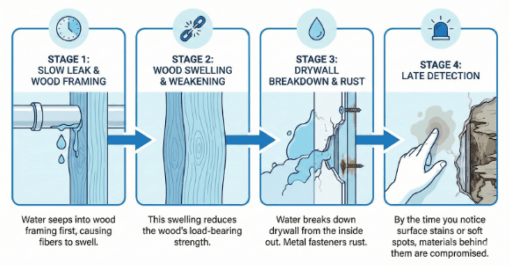
Figure 1: Structural Damage from Slow Leaks
Differences Between Surface-Level vs. Structural Water Damage
Surface-level water damage affects how surfaces look without compromising your building’s integrity, while structural damage involves material deterioration that weakens load-bearing components or critical building systems. Here are examples of both:
- Surface-level issues: Look for paint discoloration from age, minor stains from environmental factors, or superficial blemishes unrelated to active moisture. These can stem from normal wear rather than water intrusion.
- Structural damage: Try pressing on suspected surfaces to check for softness, sponginess, or give that wasn’t present before. These signs indicate compromised materials that need professional assessment beyond cosmetic repair.
Next, we’ll look into when moisture within your home causes water damage and becomes an insurance issue.
When Moisture Becomes an Insurance Issue
Moisture becomes an insurance issue when it appears suddenly, such as in an accidental event, rather than gradual accumulation or maintenance neglect.
Most standard California homeowners policies distinguish between covered “sudden and accidental” water damage and excluded long-term moisture problems. For example, a burst pipe causing moisture to get into your flooring and walls can be covered by insurance. However, gradual humidity or condensation issues that deteriorate your walls and floors over months may not qualify for coverage under your water damage insurance claim.
You’ll need to note that some areas of your home are more vulnerable to leaks than other areas.
Areas of the Home Most Vulnerable to Leaks
According to the Insurance Institute for Business & Home Safety, certain locations experience water damage more frequently due to plumbing concentration, structural design, or environmental exposure. Some of the areas to watch more closely for water damage include:
Table 2. Home areas most vulnerable to water damage
Other areas around your home can be vulnerable to water damage in different ways as well. For example, water lines embedded in concrete foundations can develop leaks that go undetected until significant damage occurs above the slabs.
On the other hand, ceiling water damage creates its own distinct patterns. Because gravity pulls moisture downward through building materials, ceiling damage often appears suddenly and spreads faster than wall damage, making it critical to recognize these signs early.
Why Roof Leaks Often Appear Far from the Source
Don’t assume ceiling damage appears directly below a roof leak, because it rarely does. Water may enter through one spot on your roof, but it also travels horizontally along wood beams, roof decking, and rafters before dripping into your living space. For example, a leak above your bedroom might create ceiling stains in your hallway 10 feet away.
Storm vs. Plumbing-Related Ceiling Damage
Storm damage creates irregular, trailing, or scattered stain patterns as water migrates from the roof or exterior walls along the internal framing. In contrast, plumbing damage tends to cause localized, circular stains directly beneath interior bathrooms, appliances, or pipes.
According to roofing and restoration professionals, the location and pattern of ceiling damage reveal whether water entered from the roof or from plumbing systems, which also determines coverage and repair approach. Compare your damage against these patterns:
Structural Warning Signs Linked to Long-Term Water Damage
Long-term water exposure creates cumulative structural problems that affect your home’s stability. Unlike sudden pipe bursts that cause obvious immediate damage, chronic moisture slowly compromises building materials over months or years.
Warping Wood and Weakened Framing
The acceptable moisture levels of wood framing range from 6% to 8% for interior and 9% to 14% for exterior wood. When this threshold is exceeded, wood begins to deteriorate in two ways: dimensional changes (swelling, warping, twisting) and biological decay (rot, mold growth).
Look for floor joists showing visible sag between support points, support beams with surface cracking or splitting along the grain, or studs that have twisted or pulled away from wall connections. These changes indicate moisture has compromised the wood’s load-bearing capacity.
When you spot these changes, water has been present long enough to cause permanent damage that won’t reverse even after the moisture source stops.
Door and Window Alignment Issues
Doors and windows operate within tight tolerances, so structural movement from water-damaged framing shifts openings out of square, preventing proper operation and creating alignment problems.
You’ll notice doors sticking when you try to open or close them, refusing to latch properly even after adjustment, or showing visible gaps between the door and frame that weren’t there before. Windows bind during operation, refuse to stay open without propping, or show separation between the frame and surrounding wall.
How Prolonged Moisture Affects Home Integrity
Buildings maintain structural integrity through interconnected load paths, which refers to the way forces transfer from your roof down through walls, across floors, and into your foundation. Each component depends on the others.
When moisture compromises any part of this system, effects cascade through your home’s structure. Saturated soil causes foundation settlement, which shifts the walls resting on that foundation. Wall movement affects how floor joists and beams distribute weight. Floor deflection eventually impacts roof structure performance.
Health-Related Indicators of Hidden Water Damage
Water damage can impact the air quality long before it leaves a visible mark on your home. Since mold and other biological contaminants often grow in concealed spaces like wall cavities or under flooring, you might experience health symptoms before you spot visible water stains or structural damage.
According to the Centers for Disease Control and Prevention (CDC), symptoms of mold exposure can appear within a few hours to a few days depending on the individual’s sensitivity and the amount of mold present.
Common symptoms include persistent coughing, nasal congestion, and headaches that do not respond to typical treatments. If you notice respiratory symptoms that worsen at home but improve shortly after you leave, you may have concealed moisture releasing contaminants into your air.
How AlliedPA Helps to Secure Your Water Damage Claim
AlliedPA manages every step of the insurance claim process for California homeowners, from proving your coverage to negotiating the final payout under your policy terms.
Evaluating Your Policy Coverage
Insurance policies use specific language to determine which water damage qualifies for coverage. The difference between sudden and accidental damage and gradual deterioration can make or break your claim.
Our team reviews your policy to identify what’s covered before you invest time in a claim that might not qualify. Then we examine your damage patterns alongside your policy terms to determine if your loss meets California homeowners insurance standards.
Documenting the Full Scope of Damage
Hidden moisture doesn’t show up in standard visual inspections. We use moisture meters and thermal imaging to locate water saturation behind walls and beneath floors. This assessment reveals the complete extent of your damage, preventing the insurance company from underestimating your claim based on incomplete inspections.
Negotiating for a Fair Settlement
Our job is to help you understand what your policy covers and whether the proposed settlement addresses the full costs of repairs. We provide expert analysis and recommendations based on policy terms and repair estimates. Final acceptance remains your choice. On average, our involvement helps clients secure settlements 633% higher than the initial offers.
Schedule a free consultation today to discuss your water damage claim and discover how we can help ensure a fair recovery.
FAQs
What are the first signs of water damage in a house?
Musty odors, slight discoloration on walls or ceilings, paint bubbling, soft drywall when pressed, and unexplained humidity increases. Texture changes often appear before visible staining becomes obvious.
How can you tell if there is water damage behind walls?
Press on wall surfaces to detect softness or sponginess. Look for bubbling paint, warped baseboards, musty smells, or slight discoloration. Temperature differences when touching walls may indicate hidden moisture.
How long does it take for water damage to show?
Surface indicators like paint bubbling or texture changes can appear within hours. Staining typically develops within days. Hidden structural damage may take weeks to become visible on surfaces.
What does water damage on a ceiling look like?
Water rings with defined edges, dark patches, sagging drywall, peeling paint, or discoloration ranging from yellow-brown to dark brown. Multiple concentric rings indicate repeated water intrusion.
What areas of a home are most vulnerable to water damage?
Bathrooms, kitchens, basements, attics, laundry rooms, and areas beneath water heaters. Locations with plumbing concentration or weather exposure experience damage more frequently than other spaces.
What are hidden signs of a water leak?
Musty odors without visible moisture, unexplained humidity, reduced water pressure, increased water bills, condensation on windows during mild weather, or floors feeling damp to touch.
Should homeowners document early water damage signs?
Yes. Photograph and video all damage immediately after discovery. Documentation establishes timeline and causation, supporting insurance claims and preventing coverage disputes about when damage occurred.
Can water damage occur without visible leaks?
Yes. Condensation, high humidity, slow seepage through foundations, roof leaks traveling through concealed pathways, and pinhole leaks behind walls cause damage without obvious water sources.
When does water damage become an insurance claim issue?
When damage results from sudden and accidental events like burst pipes, appliance failures, or storm damage. Coverage excludes gradual deterioration or maintenance neglect under standard policies.
When should water damage be reported to insurance?
Immediately after discovery. Prompt reporting establishes claim timeline, demonstrates mitigation efforts, and prevents insurers from arguing damage developed gradually outside coverage periods.